


 News
News Contest
 Forums
 Collectors
 Videos
 E-books
Tintin, aptly named
"Tintin", it sounds good…even very good.. It’s short, it's snappy, it’s easy to remember quickly and effortlessly, to the point that it gets stuck in the head like a little tune you wouldn’t even want to get rid of.
In 1929, when Hergé chose this name to christen his brand-new character, his intuition was good: two syllables, repetition, no complications.
The result? A name that everyone can pronounce, from the back of the school playground to the four corners of the globe.
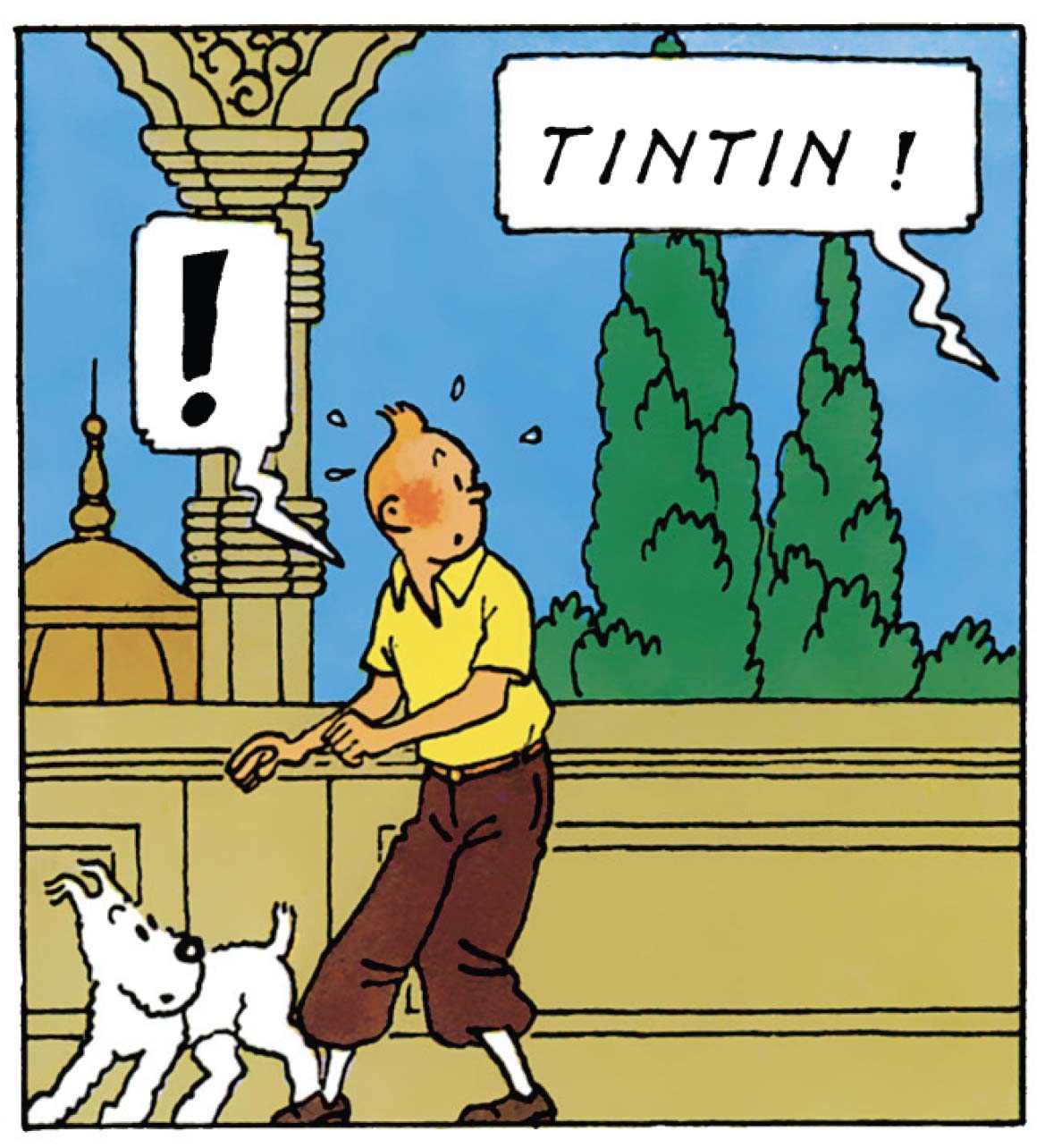
A tradition derived from the illustrated press
To understand the success of the name "Tintin", it is firstly necessary to place it in the cultural context of the time, and that of the illustrated press, in particular. Between the end of the 19th and the beginning of the 20th century, this sector experienced an unprecedented boom in Europe.
In Belgium as in France – the most productive creative birthplace – the first illustrated titles freely combined humorous drawings, caricatures, graphic satires as well as the first forms of comic strips. But while their images irresistibly attracted the eye, their content wasn’t suitable for younger audiences.
Never mind! Publishers were quick to develop publications specially designed for children, many of whom were still only just beginning to learn to read. In fact, the aim was clear: to capture their attention immediately and make the content easier for them to understand, building long-term loyalty in the process.
Furthermore, to ensure their work was understood and remembered by everyone, the authors tended to choose short names for their heroes (one or two syllables), but above all names that were easy to read and pronounce (it is worth noting that reading aloud was prevalent at that time).
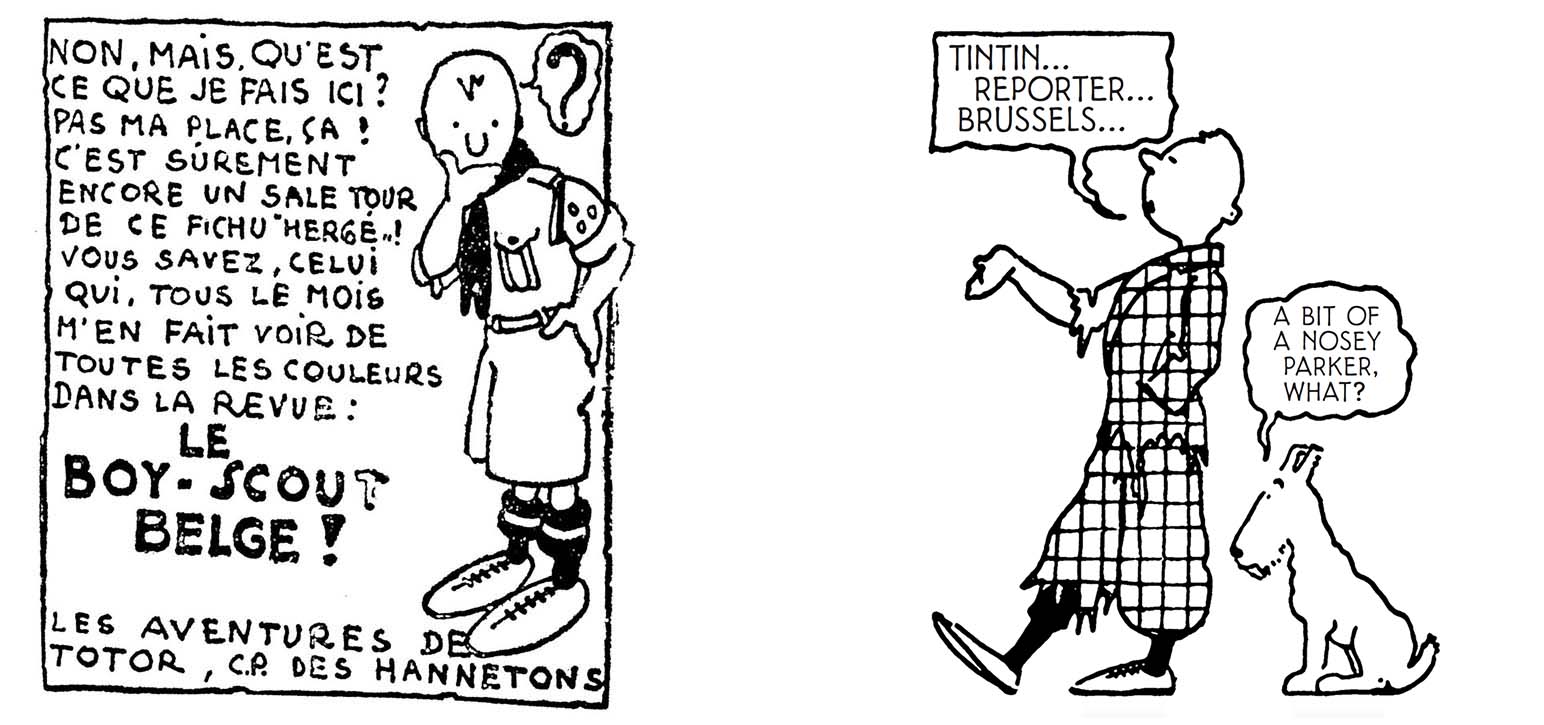
Did you know?
Totor and Tintin were in the same boat… er, comic strip! These two actually exchanged lines on the occasion of a 6-panel gag. But fans of Hergé and his creations can rest assured, as this unexpected meeting was not his own work, but that of Aristide Delannoy, a French artist and press cartoonist. Entitled “Le hérisson”, this short story was published in 1904 in Le Petit Havre illustré. Proof that homonyms can hide others, but above all, that this type of name was already circulating very actively in the graphic culture of the early 20th century.
A word... or rather, a name counts double!
Of course, in this context, names with repeated syllables stand out and their intensive use quickly gave rise to a fashion phenomenon. So much so that "Toto", "Fifi", "Lulu" and others like "Tintin" would proliferate to the point of permanently invading the pages of children’s literature
The effectiveness of these creations is explained by fundamental linguistic mechanisms: children learn more easily through repetition, these sounds are also easier to articulate and, icing on the cake, they naturally also create an impression of closeness and familiarity. Indeed we find this logic in the first words learned, like «papa» and «mama» or affectionate nicknames, for example.
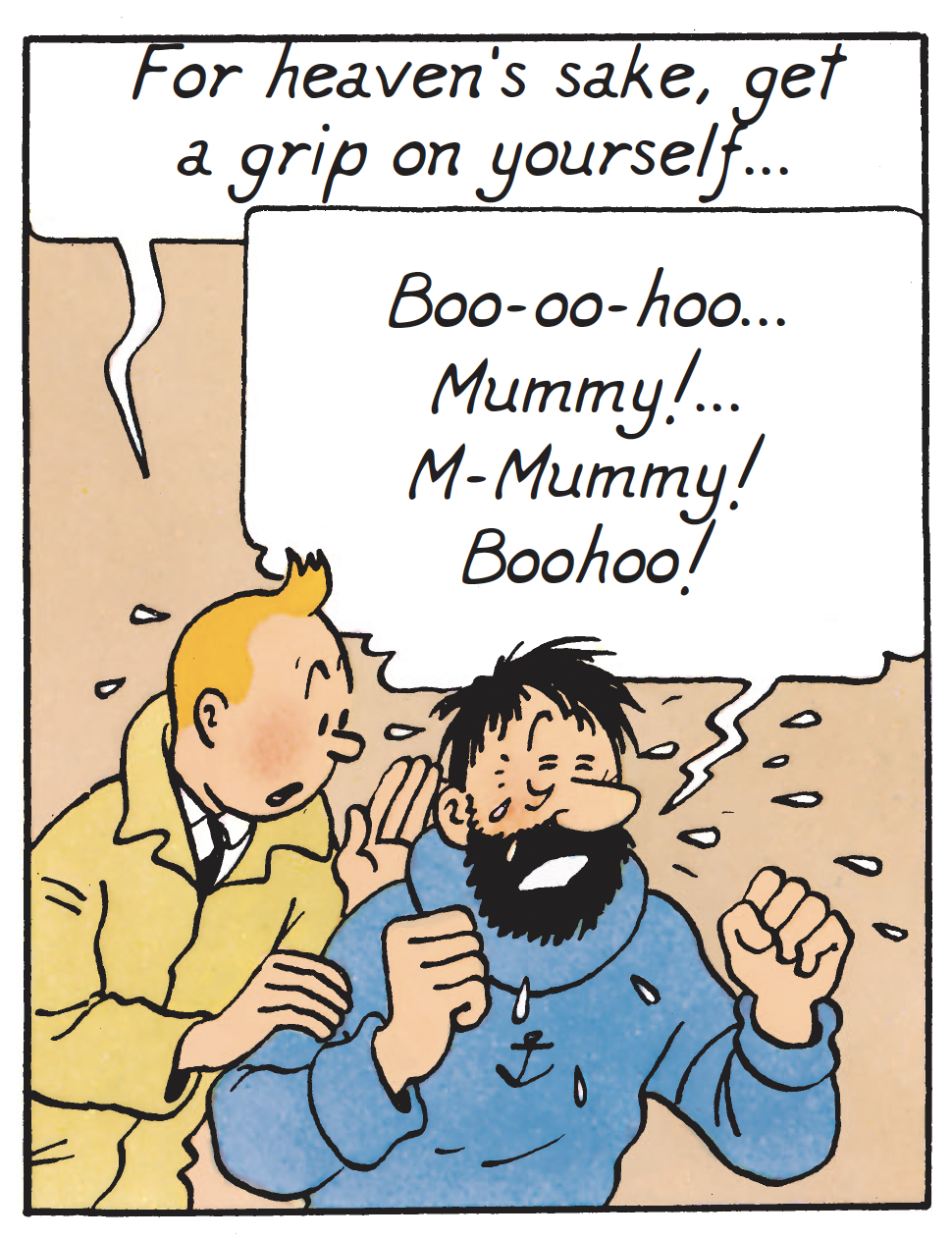
A name that sounds good
In illustrated newspapers of the period, stories are often short, published once, or in episodes and heavily dependent on images. That’s why the protagonists' names must give an instant impression of the character.
That of "Tintin" evokes vivacity, lightness, movement, and a mischievous, quick, and almost bouncing energy. Without any description or hesitation, the reader immediately senses a dynamic, curious character who is always on the go. This name effectively acts as a powerful narrative shortcut.
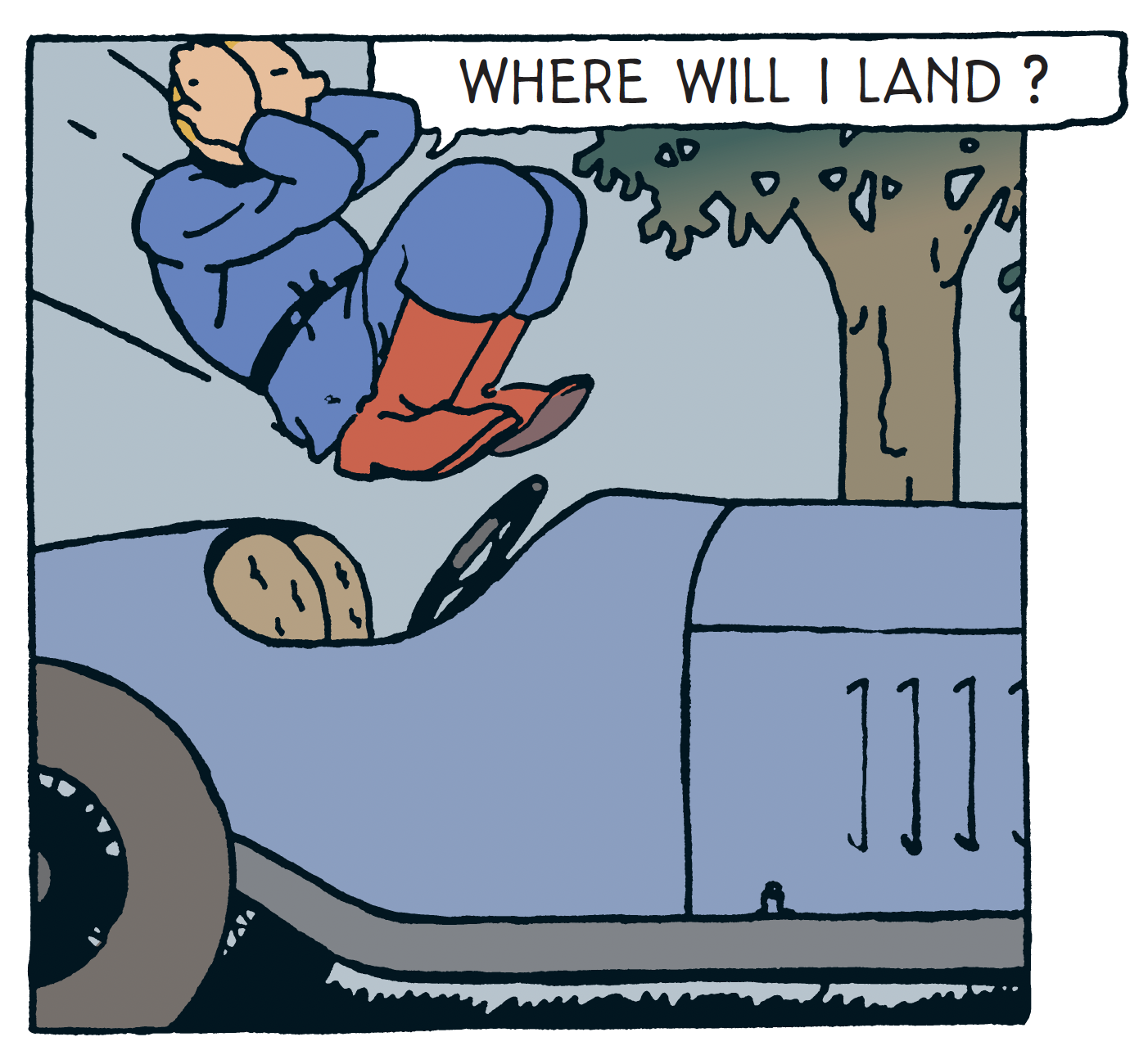
Why? Because it’s a word that sounds like an onomatopoeia (it evokes a slight ringing: tin-tin). Moreover, in its common use, it was often used by poets and singers to give rhythm and depth to their compositions. We find this stylistic effect of verbal percussion in Ernest Prarond, for example:
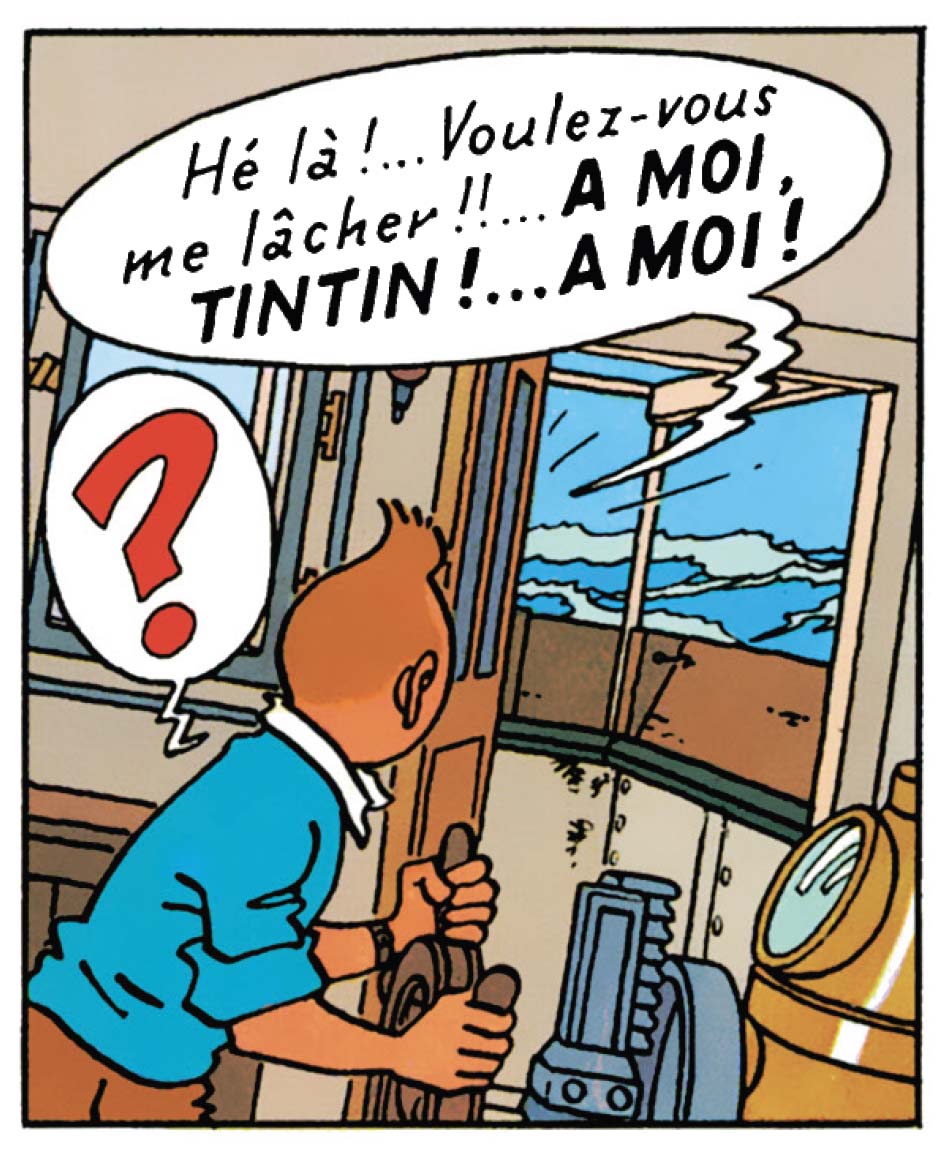
In addition to a bright and lively sound, this name perfectly meets the visual constraints of a comic strip – a medium at the crossroads of text and image and a fast and expressive narrative. It is ideal since it is almost "sketchable". Its symmetry and simplicity make it effective in a busy graphic universe, where every detail counts.
Universal significance
Finally, one of the great strengths of the name "Tintin" lies in its neutrality. It has no national connotation, does not refer to any specific culture and does not contain any difficult to pronounce sounds.
Furthermore, it is written the same way in many languages (English, Spanish, Italian, Danish, etc.). At a time when comic strips are beginning to gain acclaim and therefore to circulate internationally, this asset is obviously decisive.
"Tintin" then became a universal passport, like the character himself who is a tireless traveller!

Texts and pictures © Hergé / Tintinimaginatio - 2026


