


 News
News Contest
 Forums
 Collectors
 Videos
 E-books
Photography on display at the Hergé Museum
Through 46 black-and-white photographs, photographer Thomas Van Der Gucht offers a power from a historical divide between the Latin and Germanic worlds, the city was built upon a cultural, political and urban fault line. The exhibition aptly explores this original tension – that of a territory conceived before it was inhabited, that of a utopia brought to life.
Thomas’s perspective reveals what lies behind its concrete lines, dynamic perspectives and familiar geometries: fleeting gestures, silent presences, traces of human activity and invisible narratives. His work establishes an ongoing dialogue between people and the built environment, between memory and the future.
His photographs explore several major themes: the legacy of the founding exile of 20th October 1972; the encounter between modernist concrete and the surrounding ‘Gallic village’; the harmonious or fraught co-existence between residents and students; and, not least, the fruitful tensions between everyday life and academic knowledge. The city thus emerges as a living stage, an open-air theatre where attentive residents, hurried students and passing visitors cross paths.
Through light, texture and movement, each image tells the story of a city in constant flux.
A unique exhibition offering a powerful artistic perspective on a university town that is unrivalled in Belgium.
Fun fact...
The exhibition features 46 photographs – 20 plus 26... just like 2026! A symbolic nod to the year that gives this selection a special resonance.
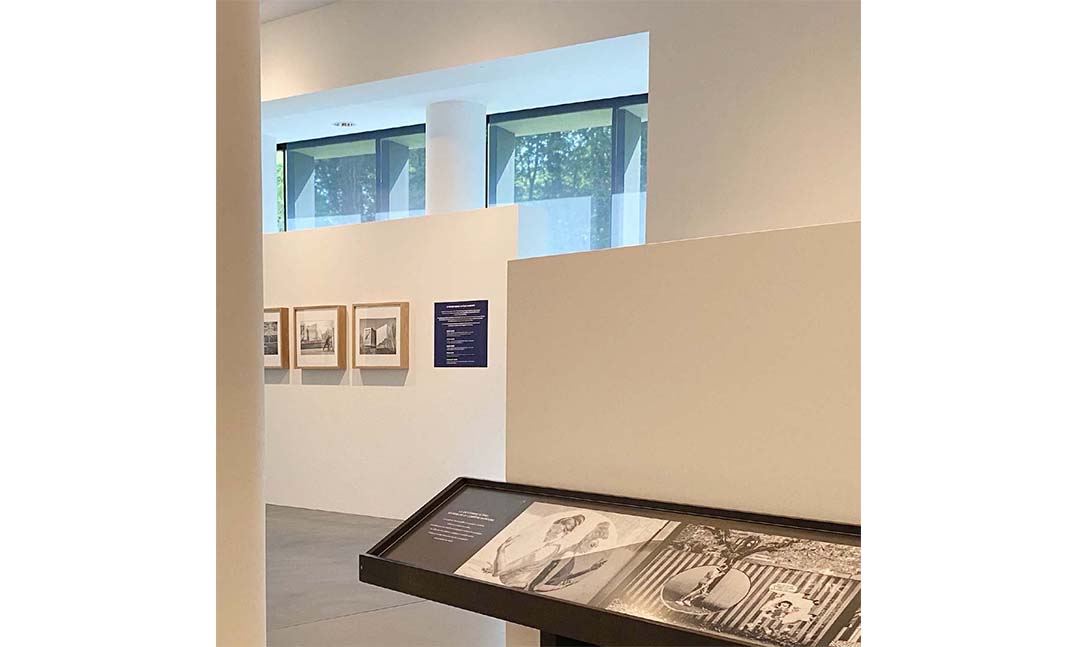
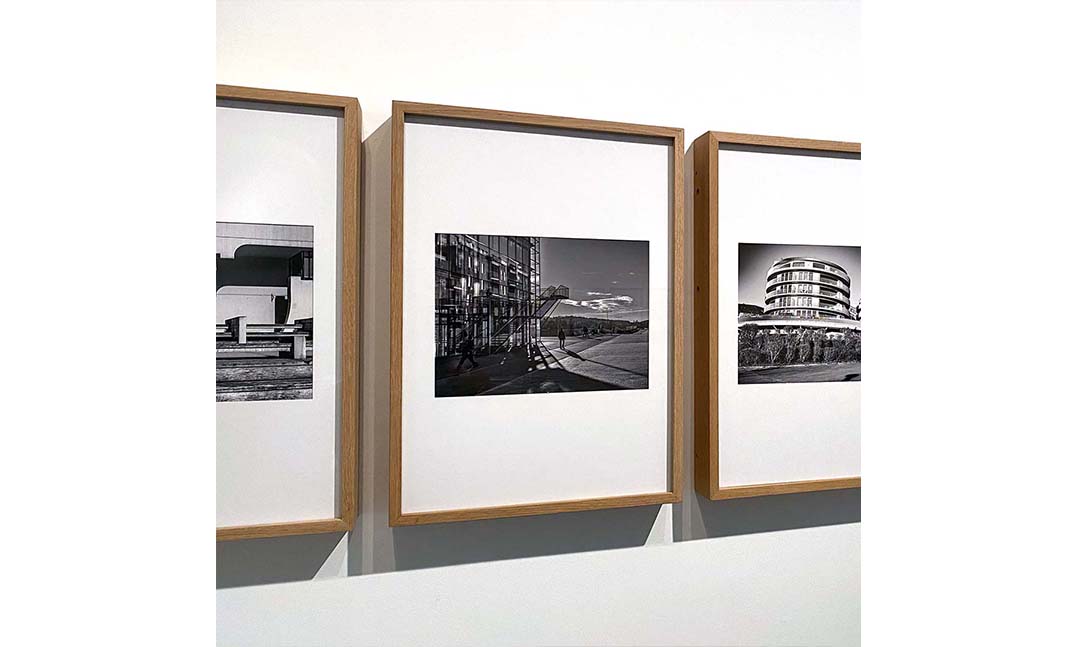
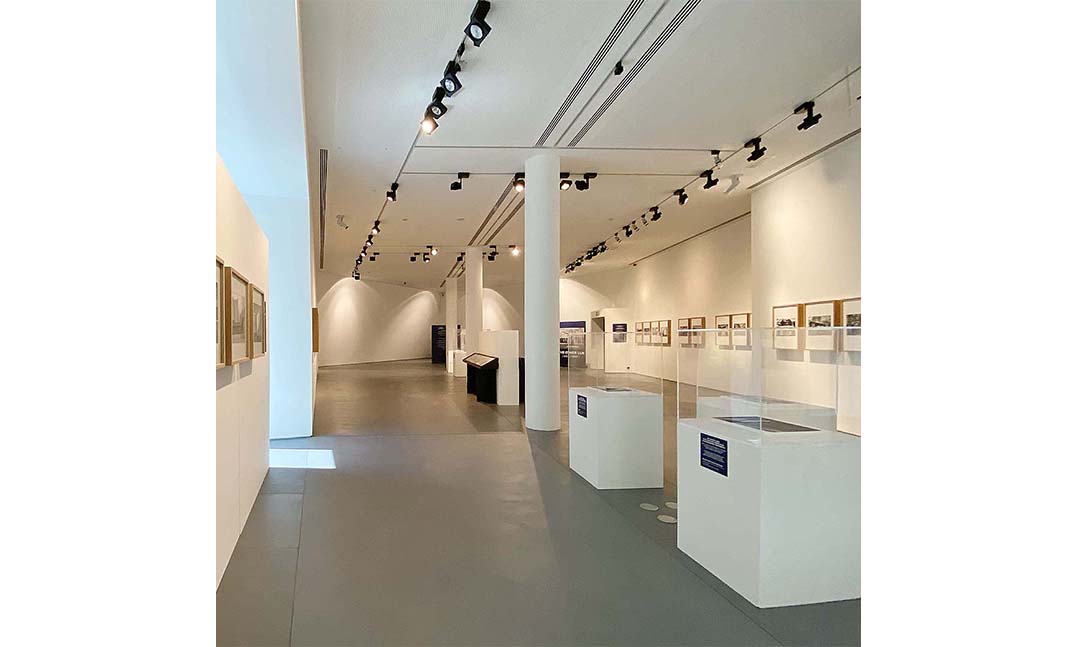
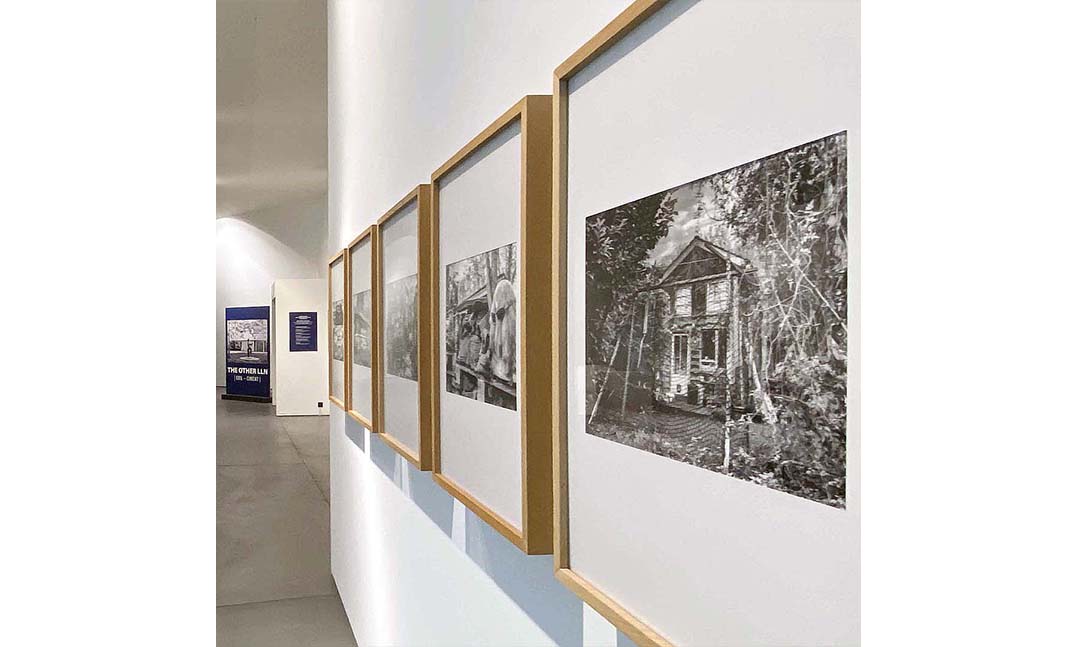

To find out more, the team at Tintin.com spoke to the artist ahead of the opening of his exhibition to the general public.
Thomas, thank you for agreeing to this interview. To begin with, what inspired you to dedicate a photographic series to Louvain-la-Neuve and to exhibit it at the Hergé Museum?
Thomas: Louvain-la-Neuve is a city that can be read as much as it can be heard. It is a ‘living palimpsest’. A fascinating place where every landscape reveals a fault line or a promise. And it is precisely this sensitive subject matter that this photographic project aims to explore. As for the Hergé Museum, it is an unmissable and iconic landmark in the city. A place of remembrance and conviviality, resolutely looking to the future. And it is a privilege to be able to exhibit there.
The Hergé Museum is one of the city’s iconic landmarks. It also features prominently in the exhibition. How did you engage with its distinctive architecture? Which elements or details struck you the most?
Thomas: We’re talking here about the realisation of an intention. That of a grand lady: Fanny Rodwell. The dialogue was as simple as it was obvious. When a place is built with love, it is all the easier to photograph. The shade of blue used by Fanny, which is echoed in the lift, evokes, on the one hand, Italy of the great masters and, on the other, a certain first journey. That detail particularly moved me.
All your photographs are in black and white. Why did you make this aesthetic choice? Do you see it, as with Hergé, as a way of emphasising the lines and thus enhancing your subjects?
Thomas: Light is right! Constraints are a source of inspiration and creativity. Black and white – timeless. This combination allows me to get to the heart of the matter: painting with light. Keep it simple! ‘Why play so many notes when you only need to play the right ones?’ Miles Davis and Nick Rodwell share this maxim. Black and white. Very inspiring… Hergé is a visionary, whilst I am merely a witness. Co-existing in the shadow of Hergé’s shadow for the duration of an exhibition is an honour in itself. Behind this work, above all, is a team to whom the very existence of this project is intimately linked (Sophie, Catherine, Yves, my son Aymé, Dr O…). I would like to take this opportunity to thank them, as well as Nick Rodwell, for the trust he has placed in me.
You work with a specific camera. Could you tell us more about it? How does this technical choice influence the way you take photographs, your relationship with your subject and the final look of your images?
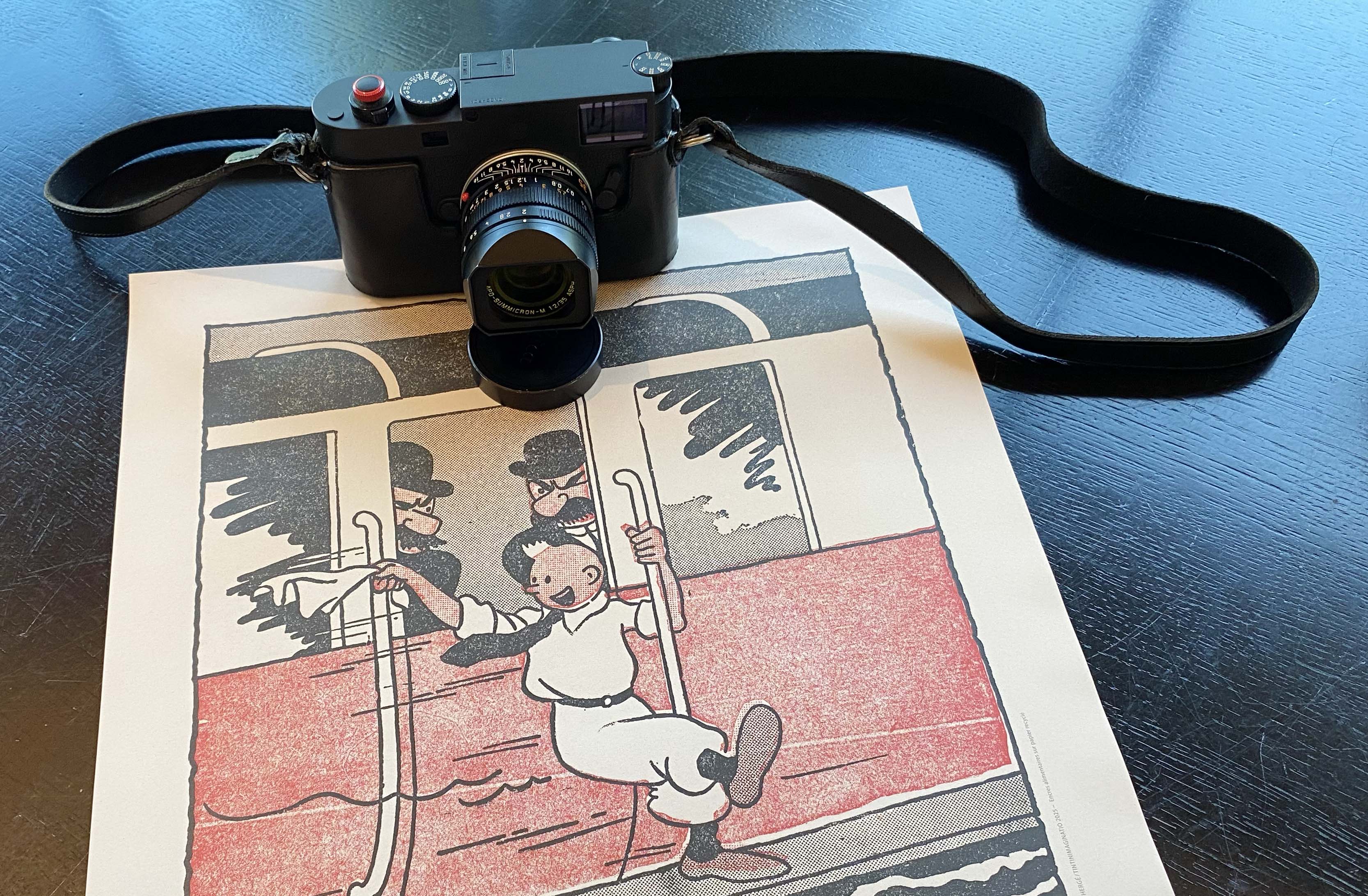
Thomas: The choice of Leica’s M11 monochrome system and the brand’s 35 mm apochromatic lens was an obvious one, given the clarity of the images this combination produces. The tonal nuances were achieved using colour filters, in the old-fashioned way… Thus, I boil down my approach to the subject to its simplest form, setting aside all the technical details relating to camera settings so that I can focus entirely on the final result, right from the moment the shot is taken. This allows me not merely to take or create a photograph, but to welcome it when it presents itself to me.
You also favour the landscape format. Why did this framing style become your go-to choice? Does it influence the narrative of your images?
Thomas: Who looks at things vertically? You? Doing justice to reality is important to me. The horizontal axis symbolises the timeline I use to break down sequences as I perceive them.
Your work places great emphasis on lines, volumes and urban silences. How would you describe your perspective on Louvain-la-Neuve?
Thomas: Louvain-la-Neuve is living, tangible proof that a regrettable social divide can give rise to a new living space that is resolutely focused on people and the future. Is not urban silence the lingering trace of life? Should a line not be as clear as possible? As for defining what I am expressing through these photographs, I prefer to leave it to the viewer to choose the words.
And finally, is there a photograph that you’re particularly fond of, or one that you feel captures the spirit of the exhibition?
Thomas: My main theme is people. So I’d say Didier’s photograph.
Texts and pictures © Hergé / Tintinimaginatio - 2026


