


 News
News Contest
 Forums
 Collectors
 Videos
 E-books
Museums in Tintin: Between Mystery and Adventure
A few days ago marked International Museum Day. And in Hergé’s albums, it is difficult not to think of those display cases behind which objects seem to slumber, ready to trigger an entire adventure. A vanished fetish, a disturbing mummy, forgotten parchments or even a diplodocus: throughout Tintin’s many journeys, the museum often becomes a key element of the story.
Behind the liveliness of the ligne claire style, Hergé long nourished his universe with extensive documentation made up of photographs, specialized books, illustrated magazines and objects observed in real collections. Museums offered him an immense visual and narrative reservoir, capable of grounding his albums in a sense of reality while constantly stimulating the reader’s imagination.
In The Broken Ear, the adventure takes shape around an object displayed in an ethnographic museum: the famous Arumbaya fetish, which quickly becomes unforgettable to readers and lies at the heart of countless twists and turns. From the very first pages, Hergé establishes a very particular atmosphere in which what appears to be a simple museum piece suddenly becomes the center of an international intrigue involving thefts, forgeries, collectors and rivalries.
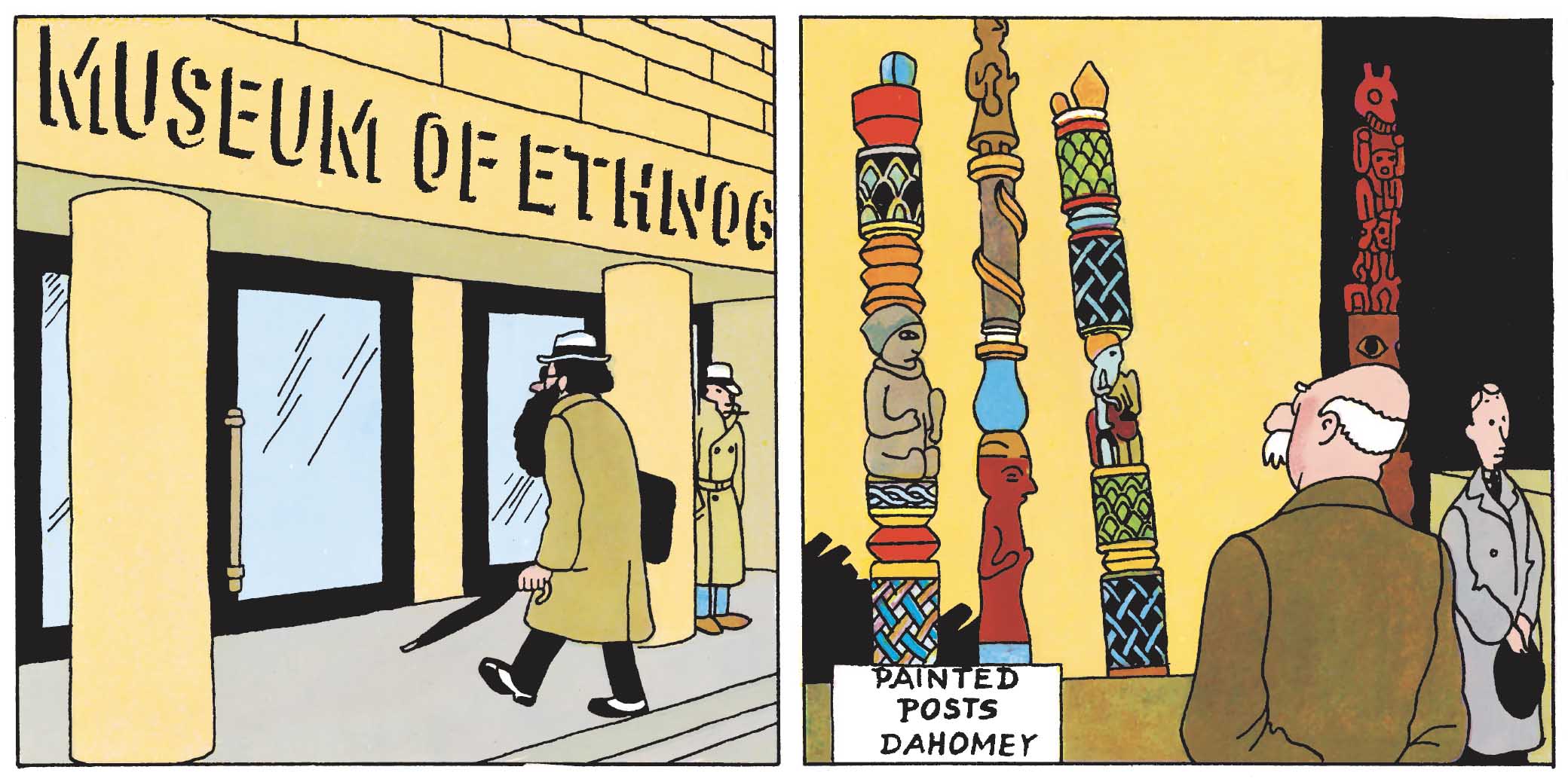
This choice was far from accidental. In 1930s Belgium, ethnographic collections fascinated European audiences. Colonial museums displayed masks, statues and ritual objects from Africa and South America in settings that mixed science, exoticism and mystery. Hergé drew upon this imagery and transformed it into a narrative engine. The fetish is not merely valuable. It seems to carry a hidden story that goes far beyond the artifact itself, reflecting the fascination these distant objects inspired among the public of the time.
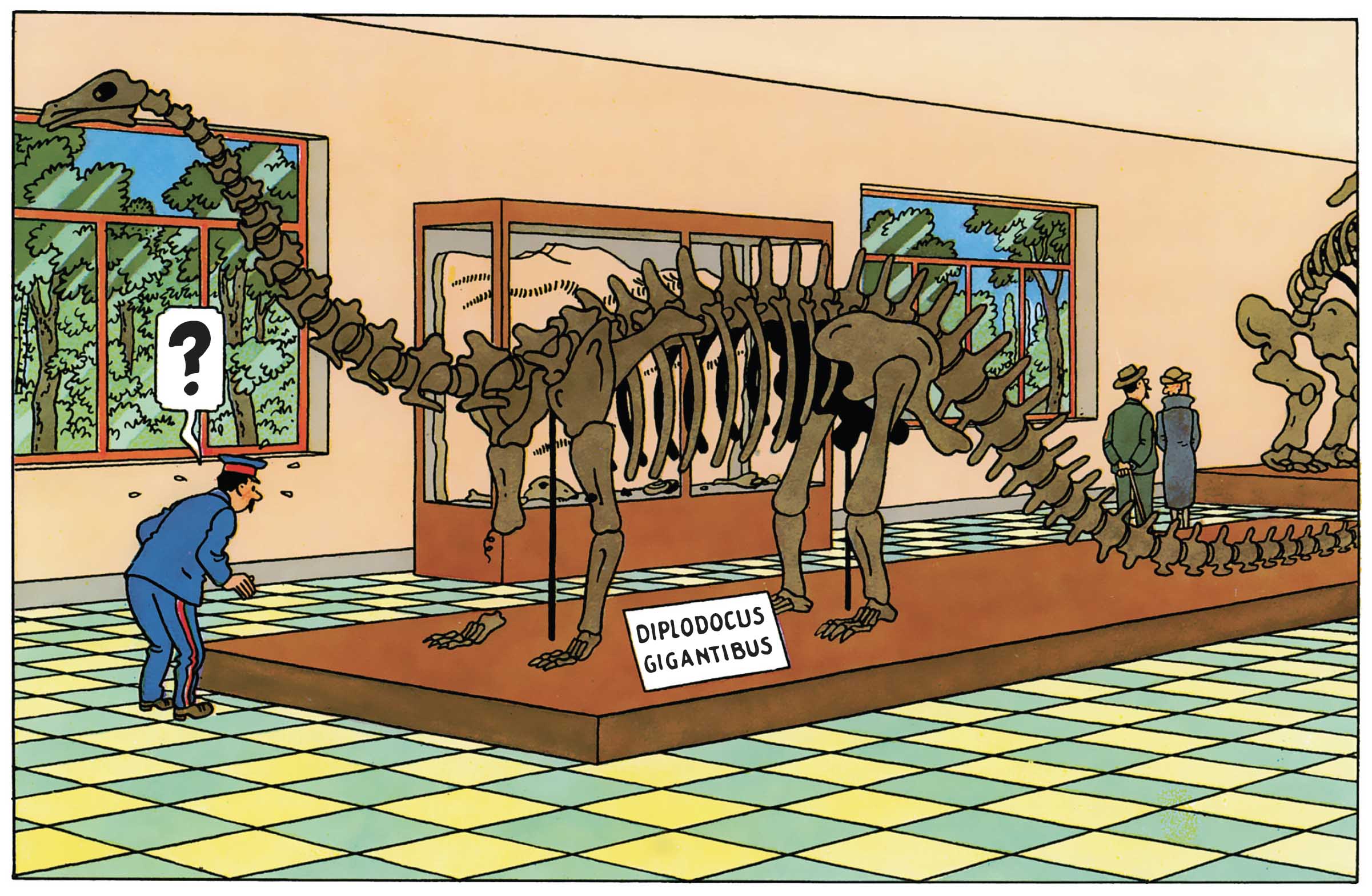
This idea returns in another form in King Ottokar's Sceptre. The album contains several elements directly tied to the scientific and museum culture of the era, notably the famous diplodocus skeleton seen in the natural history museum. Across Europe, major museums had become spectacular places where visitors could contemplate creatures from vanished worlds seemingly returning from the distant past. Hergé makes perfect use of this instantly recognizable imagery.
But it is probably in The Seven Crystal Balls that the museum becomes most unsettling. Hergé transforms an entirely rational scientific environment into a true space of anxiety. The Sanders-Hardmuth expedition returns from South America with several Incan funerary objects intended to be studied and displayed.
After a mysterious illness progressively strikes the members of the expedition, Tintin and the Thompsons visit the Natural History Museum in order to question Professor Hornet. However, they discover that he too has fallen victim to the strange curse affecting the explorers.
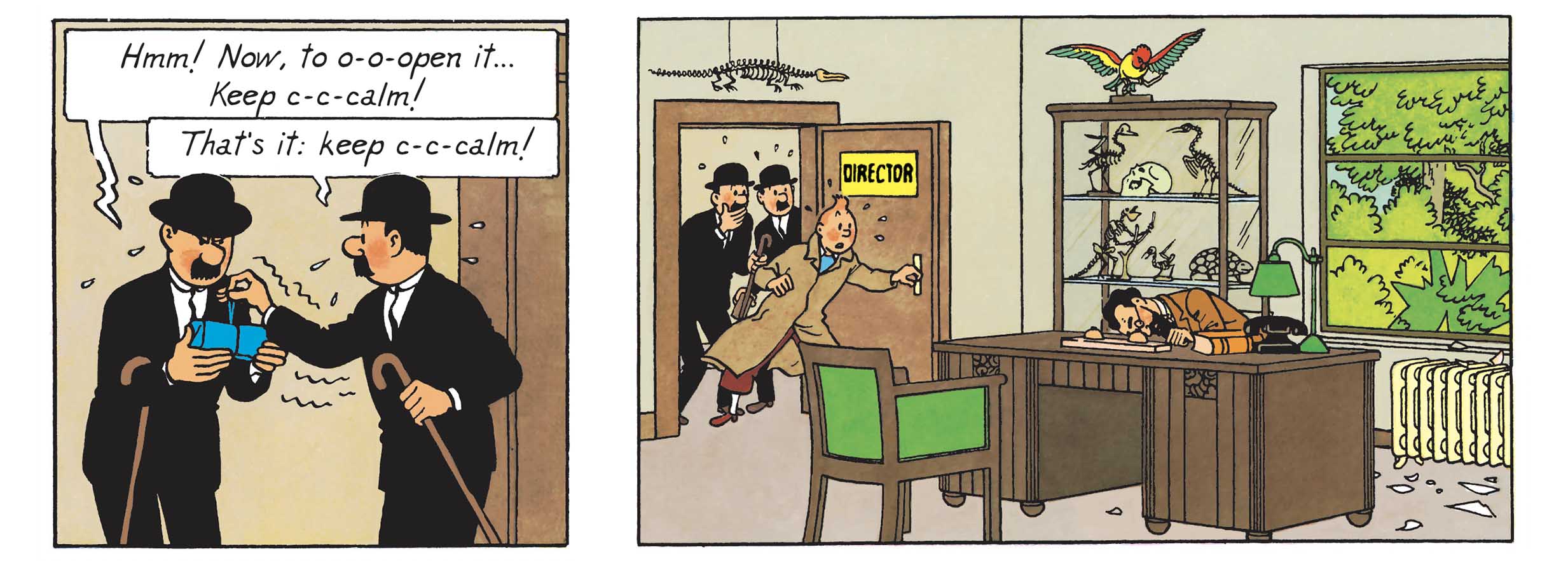
At first, the scholarly lectures, display cases and archaeological artifacts create an atmosphere of fascination, notably around the giant butterfly from Java. Then everything changes during the visit to Professor Bergamotte. The mummy of Rascar Capac emerges as a terrifying presence, an archaeological object refusing to remain trapped in the past and spreading fear around it.
This is where Hergé’s genius truly lies: turning a museum piece into a genuine thread of Ariadne. Museums are normally designed to preserve and immobilize the remnants of the past. In Tintin, they instead become places where history itself can suddenly become the starting point of a thrilling adventure.
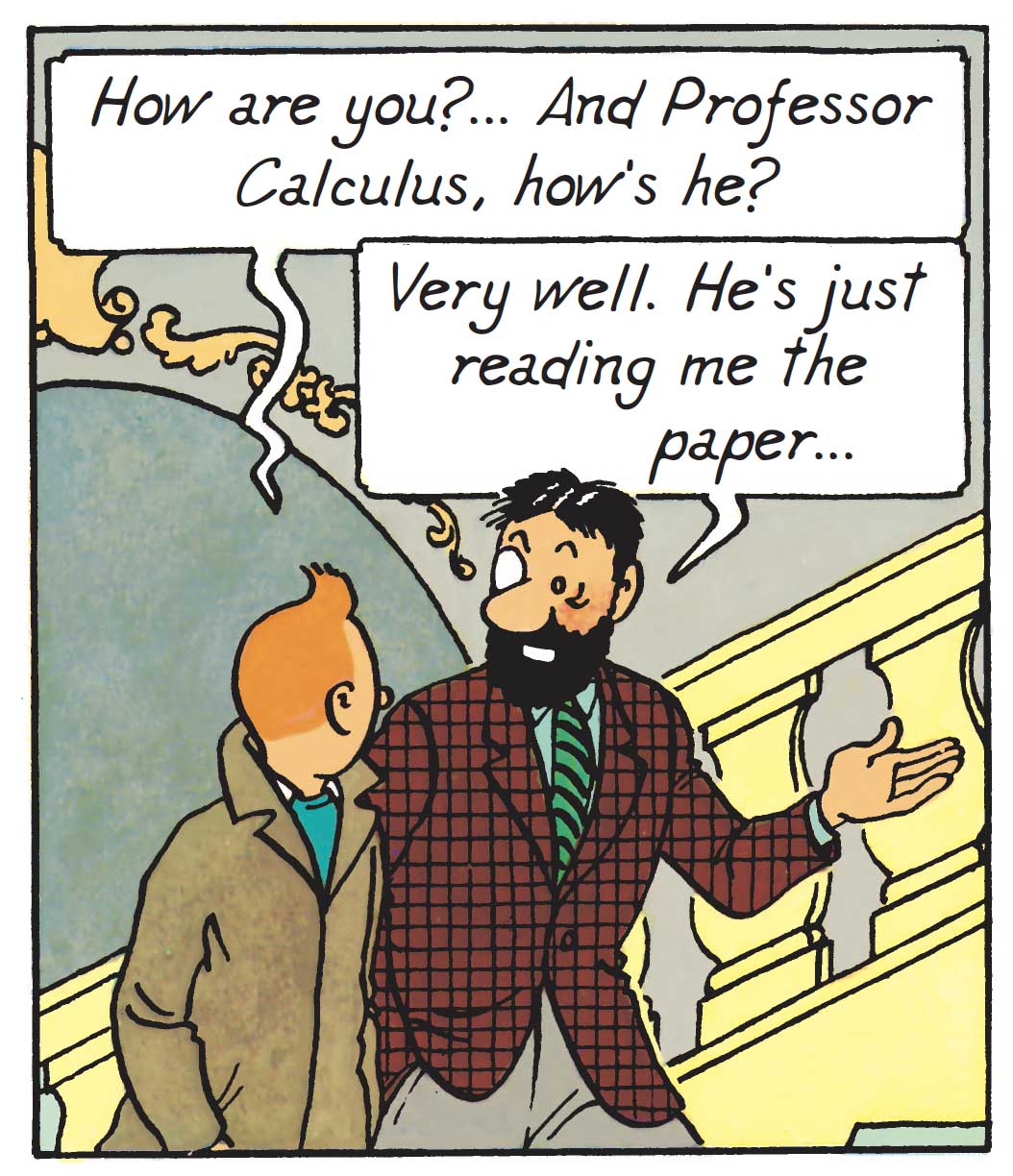
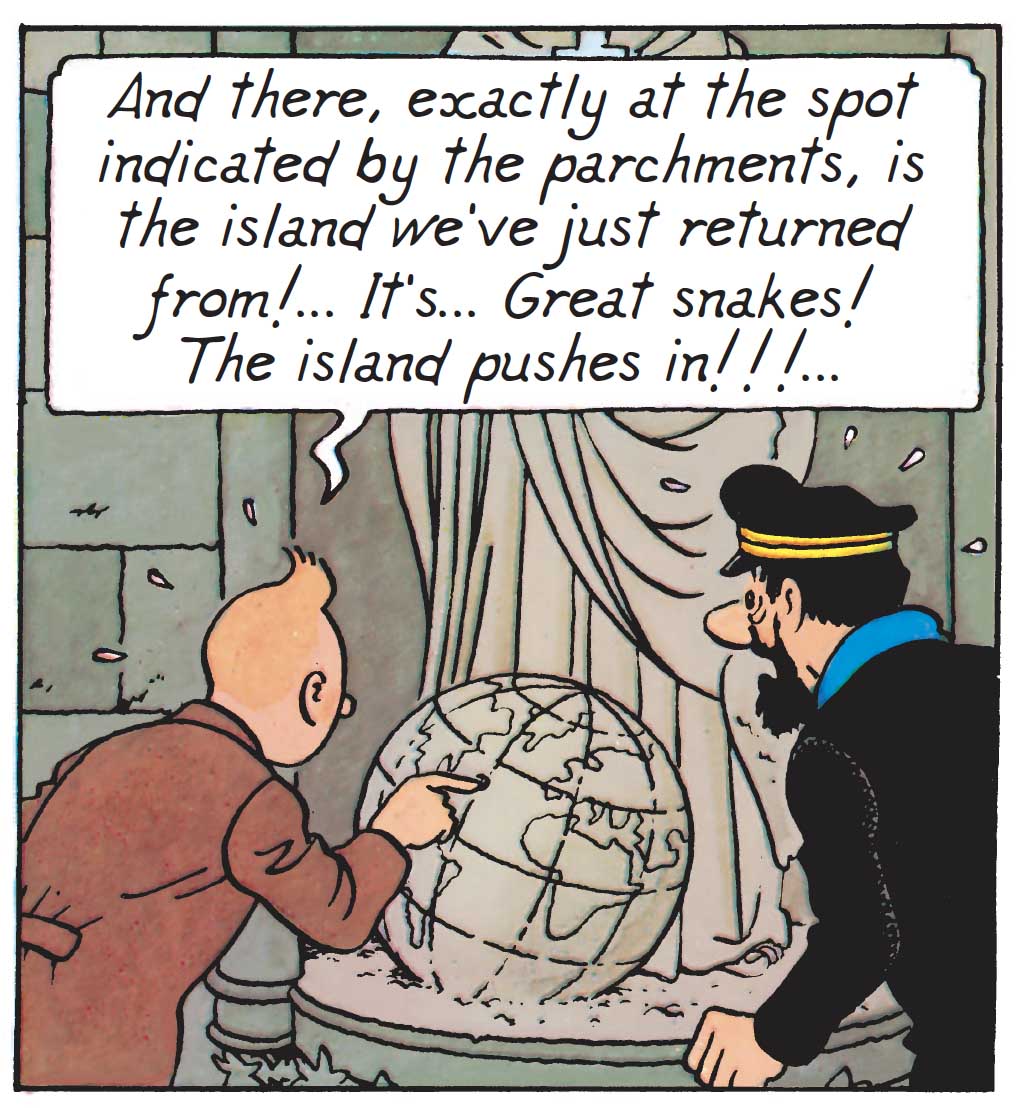
The ending of Red Rackham's Treasure shows the recovered objects now displayed in a « marine room » at Marlinspike Hall, in a spirit very close to old historical cabinets and private collections. Let us not deny ourselves the pleasure: while not a museum in the strict sense, Hergé already transforms the place into a genuine space of memory and exhibition.
Texts and pictures © Hergé / Tintinimaginatio - 2026


